
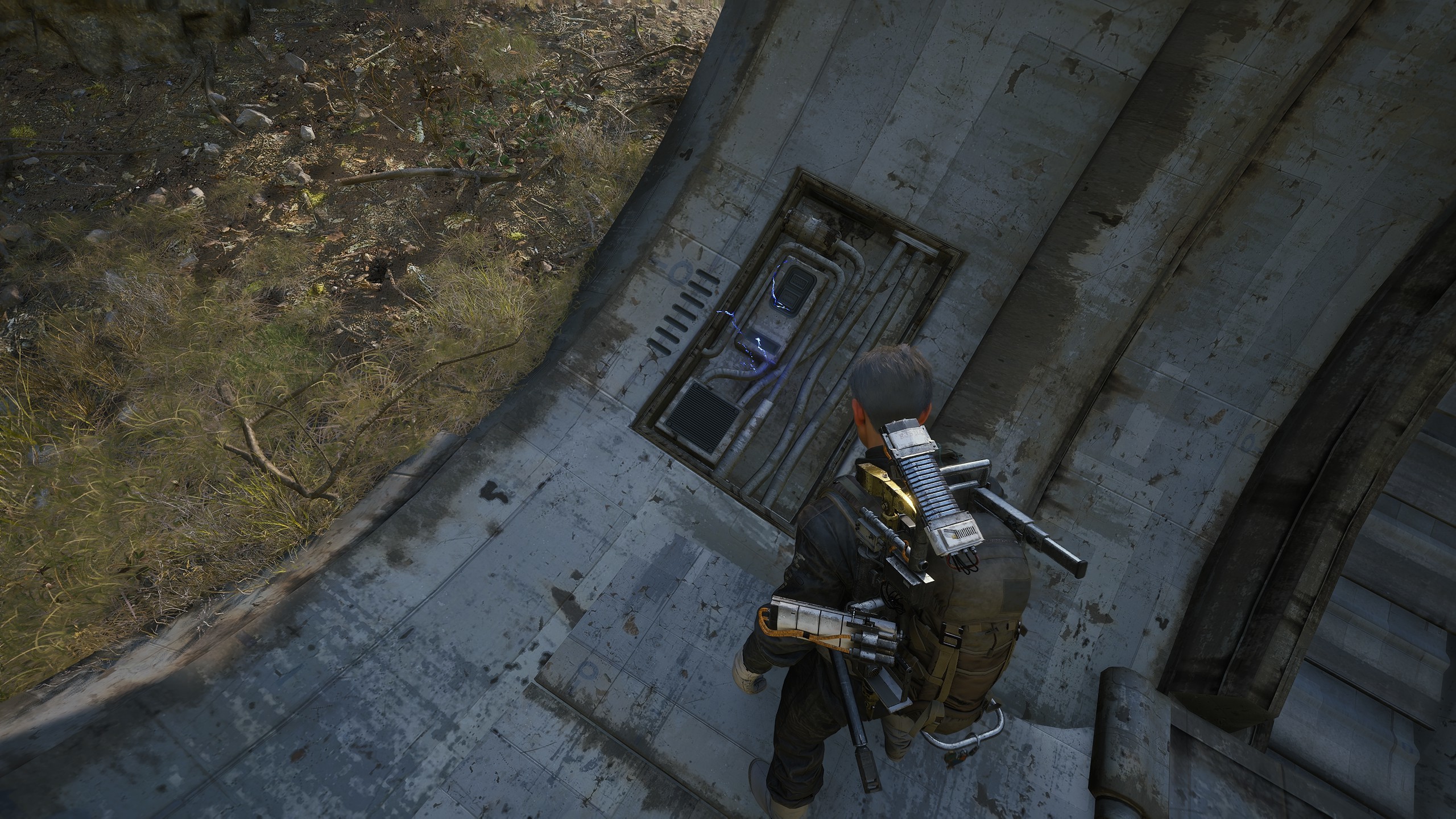
Against an enemy with infinite resources, Raiders must rely on psychological warfare, even if the enemy lacks a traditional human psyche. The core of this tactic is **ARC Behavioral Manipulation (ABM)**—the doctrine of using noise, decoys, and perceived threats to overload ARC’s localized threat assessment and divert patrols away from mission objectives. ABM relies on exploiting ARC’s fundamental programmed rigidity: they must investigate any confirmed anomaly, regardless of the cost or utility.
This analysis details the tactical protocols for using distraction as a resource-efficient tool for evasion, ambush staging, and mission infiltration.
The Lure Principle: Programming Overload
ARC patrol AI operates on a tiered system of threat prioritization. The goal of ABM is to introduce a perceived high-priority anomaly (e.g., loud kinetic noise, unexpected explosion) at a location far removed from the actual objective. ARC’s algorithms dictate that they must dedicate forces to investigate and neutralize this anomaly, temporarily pulling units away from critical locations. This “Lure Principle” sacrifices a minimal resource (a decoy charge or a low-yield noise emitter) for a massive gain in infiltration time.
Decoy Technology and A-Functional Noise
The most effective distractions are those that closely mimic Raider activity. While purpose-built decoys exist, resourceful Raiders utilize A-Functional Noise—materials and environmental interactions that sound like combat but cost little:
- **Explosive Saturation:** Placing a low-yield charge near a pile of metal scrap or an unstable fuel tank. The resulting loud, chaotic noise mimics a firefight.
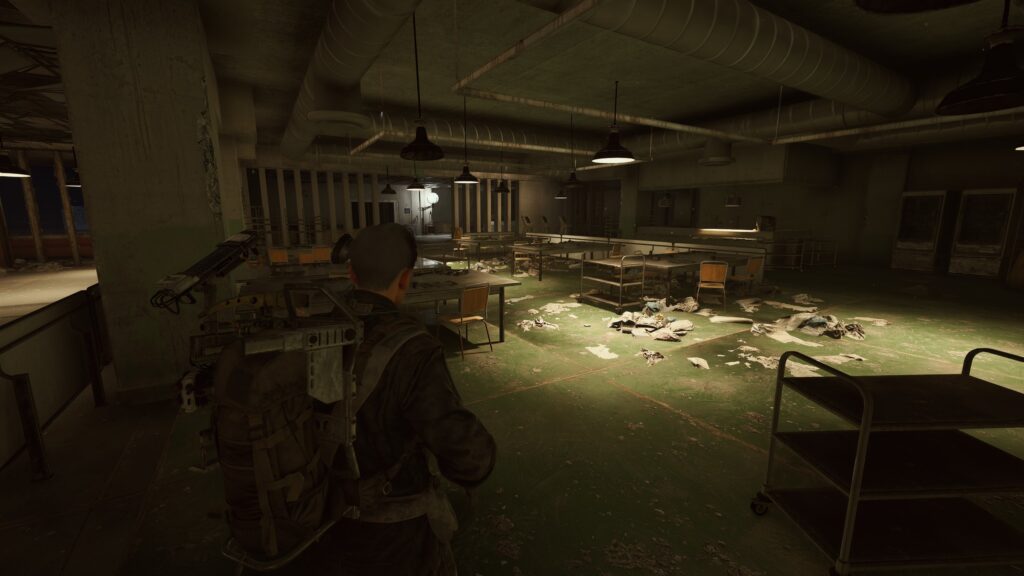
- **Induced Structural Collapse:** Using a single Grappling Hook cable to destabilize a minor piece of infrastructure, generating a loud, localized impact noise.
- **Weapon Fire Simulation:** Utilizing a broken radio transmitter to broadcast highly repetitive, erratic bursts of static that ARC acoustic sensors often interpret as uncontrolled automatic fire.
Targeting Specific ARC Units for Diversion
Not all units react equally to distraction. Sniffer Dogs (due to their specialized acoustic and chemical tracing) and Controllers (due to their command structure) are the most easily diverted. Targeting the acoustic range of these units first ensures that the resulting investigation is robust and resource-intensive, pulling larger units into the investigation zone.
Staging the Ambush: Funneling Tactics
ABM is often used proactively to stage an ambush. By strategically placing decoys along a non-optimal route, Raiders can manipulate the ARC patrol AI into taking a narrow, predictable corridor.
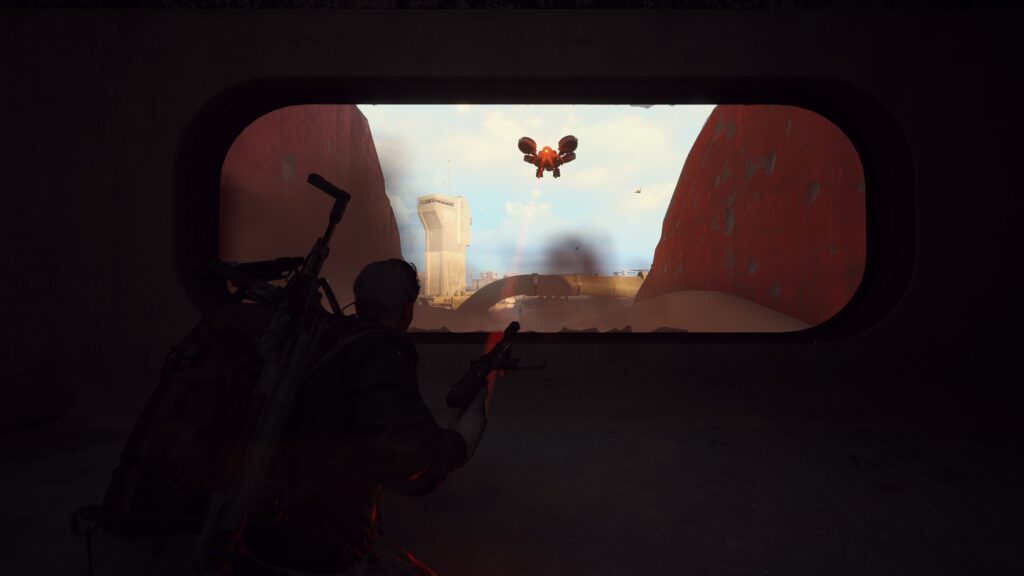
This funnels the units into a pre-established Kill Zone where Raiders have prepared Shock Traps, Fusion Charges, or utilized the Choke Point Cascade emergent strategy. The distraction guarantees the necessary tight enemy formation for maximum resource efficiency.
The Risk of Misdirection Saturation
ABM must be used judiciously. Over-reliance on decoys and noise can lead to **Misdirection Saturation**. If the ARC network detects too many simultaneous, low-level anomalies, their AI will eventually prioritize the defense of fixed Anchor points (per ABA), ignoring the decoys entirely. Effective ABM requires long periods of silence followed by focused, singular distractions.
The Strategic Evasion Protocol
In infiltration or extraction, distraction is a tool of evasion. If a Raider team is detected near the objective, an immediate, loud decoy blast must be set off 300-500 meters away. The team must move silently toward the objective while ARC’s localized patrol is forced to pivot and investigate the noise source, buying the Raiders the critical time needed to secure the salvage.
Conclusion: The Power of Concealment
The strategic value of distraction is paramount in Asymmetrical Warfare. By understanding the rigid logic of ARC’s threat assessment,
Raiders can expend minimal resources to manipulate their movements, ensuring that the enemy is constantly searching for a threat that is already long gone, or stumbling into a trap they were programmed to avoid.
Leave a Reply